
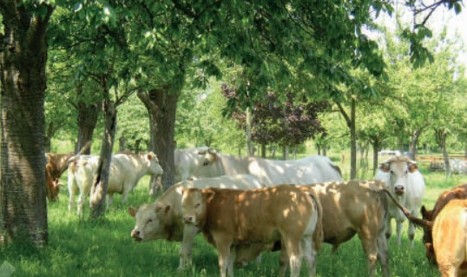

Understanding global cattle leather supply chains to balance performance and sustainability.

USE CASES
Mapping global cattle leather supply chains to build a more sustainable and responsible sourcing system.
The sustainability of the cattle leather supply chain is a strategic issue for companies seeking to balance economic performance with environmental responsibility. A thorough understanding of livestock farming practices and supply chains helps ensure responsible and sustainable sourcing.
Mission Objective
The goal was to understand the upstream supply chains for bovine leather and to characterize the livestock farming practices involved in order to meet the group’s sustainability goals.
Our Approach
To achieve this goal, we have:
- Mapped the upstream stages of global bovine leather production;
- Assessed livestock farming practices by farm type in Europe and the rest of the world;
- Proposed strategic recommendations to adjust the sourcing mix and align procurement with the group’s sustainability requirements.
Toward Sustainable and Responsible Cowhide Leather
This approach helps build a more sustainable supply chain, reduce environmental impact, and ensure compliance with the group’s global sustainability goals and standards.