
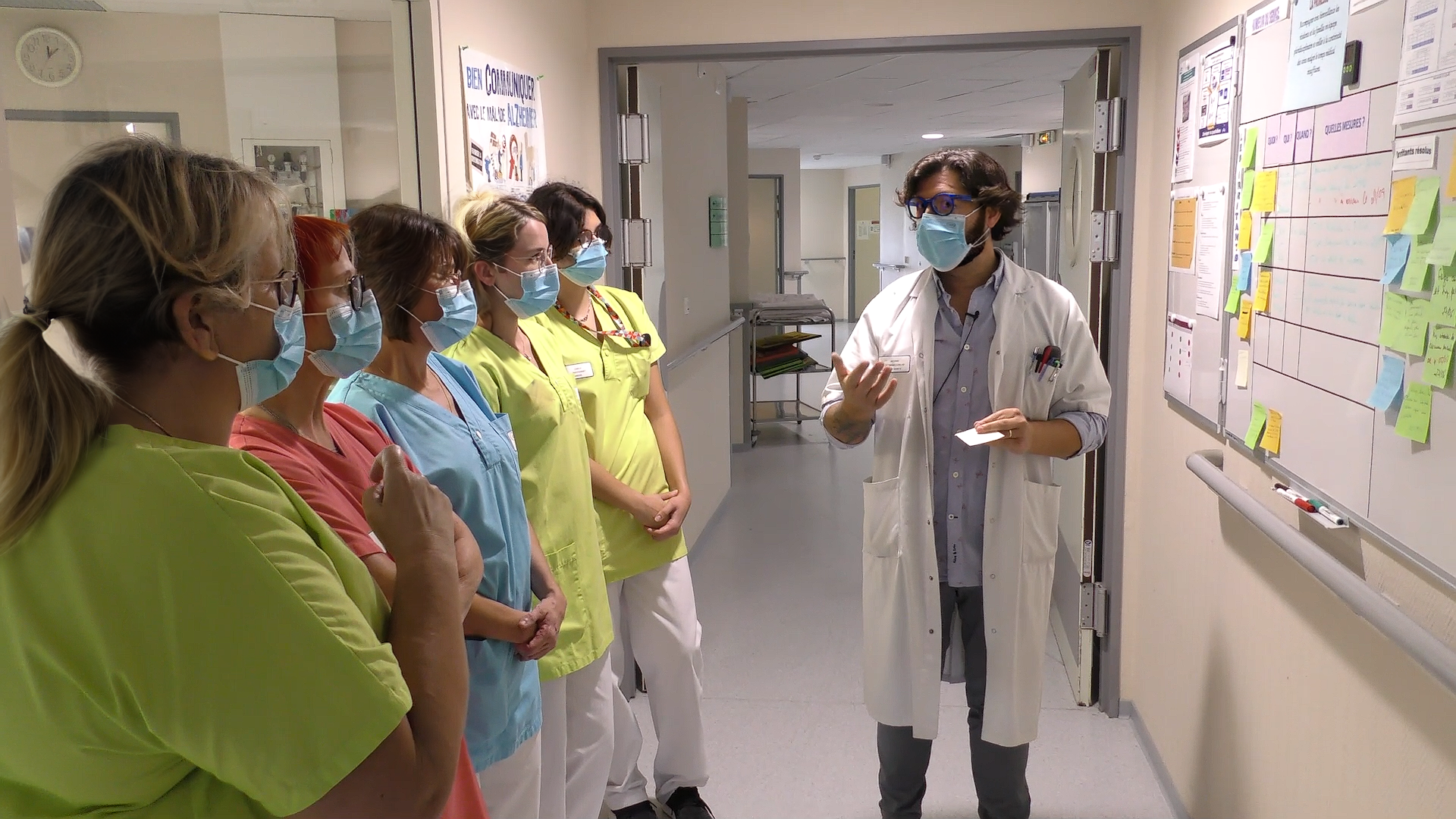

Structured communication to transform a top-down project into a team-driven initiative.

EXPERTISE
One of the keys to success.
In a healthcare facility, launching a transformation project involves more than just setting goals and implementing an action plan. One element that is often overlooked—but crucial to success—is communication even before the project begins. Informing and involving teams early on helps transform an initiative that might otherwise be perceived as imposed into a shared effort supported by everyone.
Why Preliminary Communication Is Essential
Communicating before the launch offers several strategic benefits:
-
Clarify the project’s objectives: Management and the steering committee must clearly articulate what they hope to achieve. Every employee must understand the implications of the transformation and their specific role.
-
Providing an overview of the process —including the project timeline, key milestones, schedule, and pilot departments—helps reduce uncertainty and reassure the teams.
-
Build consensus around “True North ”: Everyone must understand the purpose of the transformation and the criteria for success. Communication is the key to uniting all employees around shared priorities.
-
Involving the pilot departments: Clear and transparent communication fosters buy-in among the teams that will be testing the new practices. Their commitment is a powerful driver of the project’s overall success.
What messages should be communicated in advance?
To be effective, preliminary communication must address several key points:
-
Project objectives: to clearly outline what the project aims to achieve (“measurable success if…”).
-
The process overview: explain the steps, timeline, milestones, and pilot services.
-
Key contacts: Identify the people to contact to answer questions or provide support to teams at all levels of the institution.
How can we tailor our communication to each audience?
Effective communication takes into account the different target audiences: executive leadership, senior management, line managers, and employees. The goal is not to send a single message to everyone, but to tailor it so that everyone clearly understands their role and the scope of the project.
There should be multiple, complementary channels:
-
Internal emails and newsletters (keeping in mind that some employees may not have a work email address)
-
Information Sessions and News Briefs
-
Internal Reviews and Postings
-
Time set aside for direct discussions during department meetings
The goal is twofold: to ensure that everyone has received and understood the information, while also providing an opportunity to ask questions and voice concerns.
Communication doesn’t end with the launch
Sharing information isn’t limited to the initial launch. Regular communication—highlighting the project’s progress and concrete achievements—is essential for maintaining team buy-in, celebrating successes, and quickly addressing any obstacles that arise. The pilot teams remain at the heart of this process, ensuring that improvements are tailored to the field and understood by everyone.