
Our Support for Accelerating Sustainable Agricultural Practices
- Stakeholder mapping: identifying key stakeholders and their roles.
- Assessment of practices and their maturity in terms of sustainability: analysis of current methods for measuring their environmental, social, and economic impact.
- Sustainable Sourcing Strategy & Prioritization of Actions: Defining a Targeted Action Plan to Integrate More Sustainable Practices into the Supply Chain.
- Supplier Engagement: Establishing pilot partnerships and incentives to test and facilitate the adoption of responsible and sustainable agricultural practices by suppliers.
- Training for operational teams: building skills in the field to ensure the effective implementation of new practices.
Stakeholder Mapping
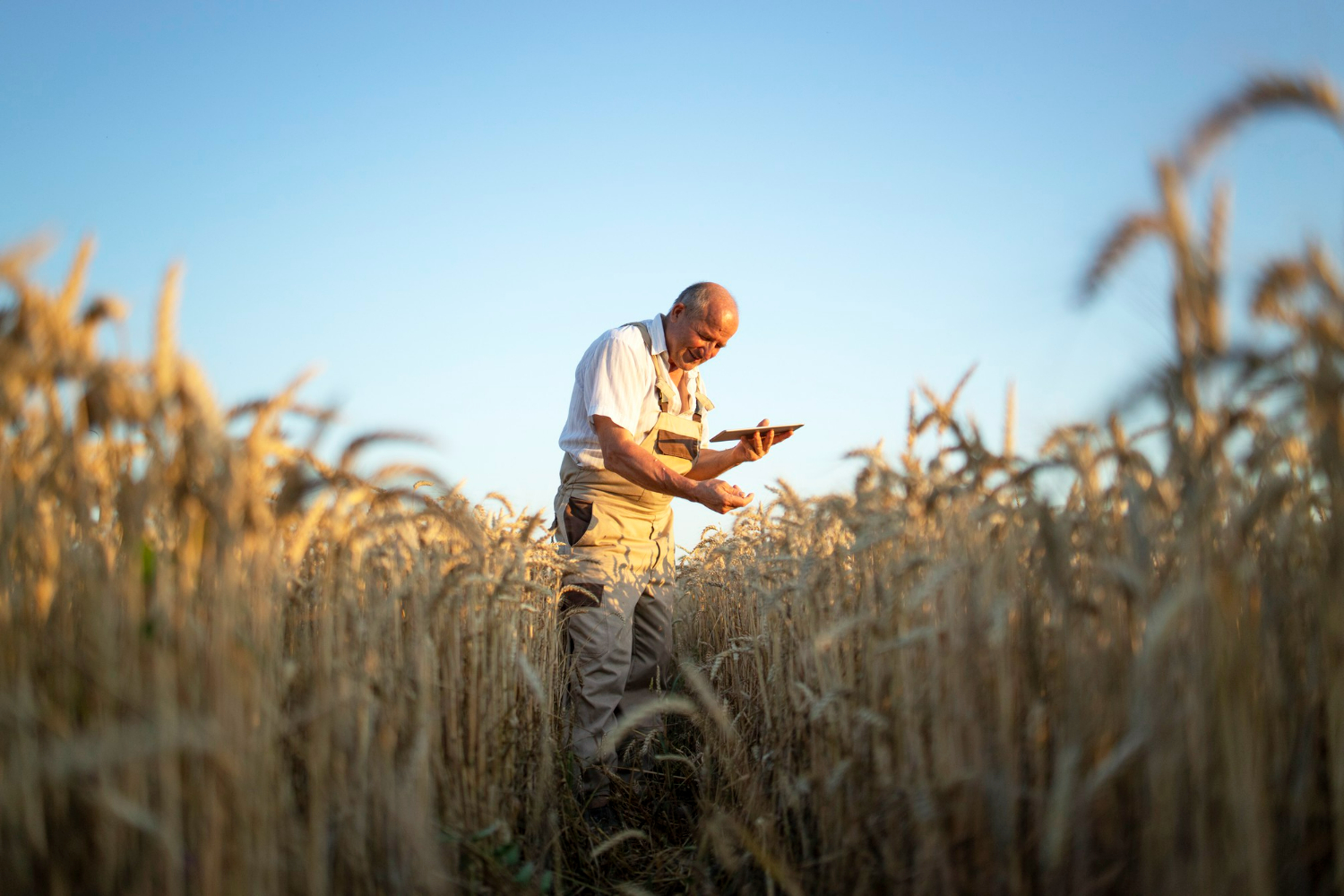
Our team creates a detailed map of the stakeholders in a sector, identifying their roles, interdependencies, and influence within the value chain. We analyze producers’ technical skills, their practices, and their ability to meet market demands. From a business perspective, we assess the balance of power among stakeholders (producers, cooperatives, processors, distributors) and opportunities for value creation.
This mapping helps identify opportunities for collaboration (partnerships, resource sharing) and bottlenecks (lack of structure, dependence on certain intermediaries). By clarifying the dynamics among stakeholders, we facilitate the implementation of collective strategies to improve the competitiveness and resilience of the entire supply chain.
Assessment of Agricultural Practices and Their Maturity in Terms of Sustainability
Assessment of Agricultural Practices and Their Maturity in Terms of Sustainability
We assess agricultural practices and their level of maturity in terms of sustainability by analyzing their agronomic impact (yields, soil health, water management) and environmental impact (emissions, biodiversity, use of inputs). This assessment measures how well farms align with expectations of customers (processors and end consumers).
We identify the associated with the transition to more sustainable practices. Our goal is to help producers improve their performance while meeting the requirements of consumers and regulators, and ensuring their long-term profitability.
Sustainable Sourcing Strategy
Developing sustainable sourcing strategies makes it possible to balance supply security, raw material quality, and social and environmental responsibility. We work with stakeholders in the life sciences sector—who are sometimes far removed from producers and farms—to evaluate practices and identify sustainability criteria (traceability, agricultural practices, working conditions) and have the capacity to meet volume and quality requirements.
From a business perspective, we optimize investments while reducing risks (supply disruptions, non-compliance). Our approach enables companies to strengthen their resilience, maintain or enhance their reputation among consumers, and capitalize on new business opportunities (premium markets, sustainable procurement initiatives).
Supplier Commitment
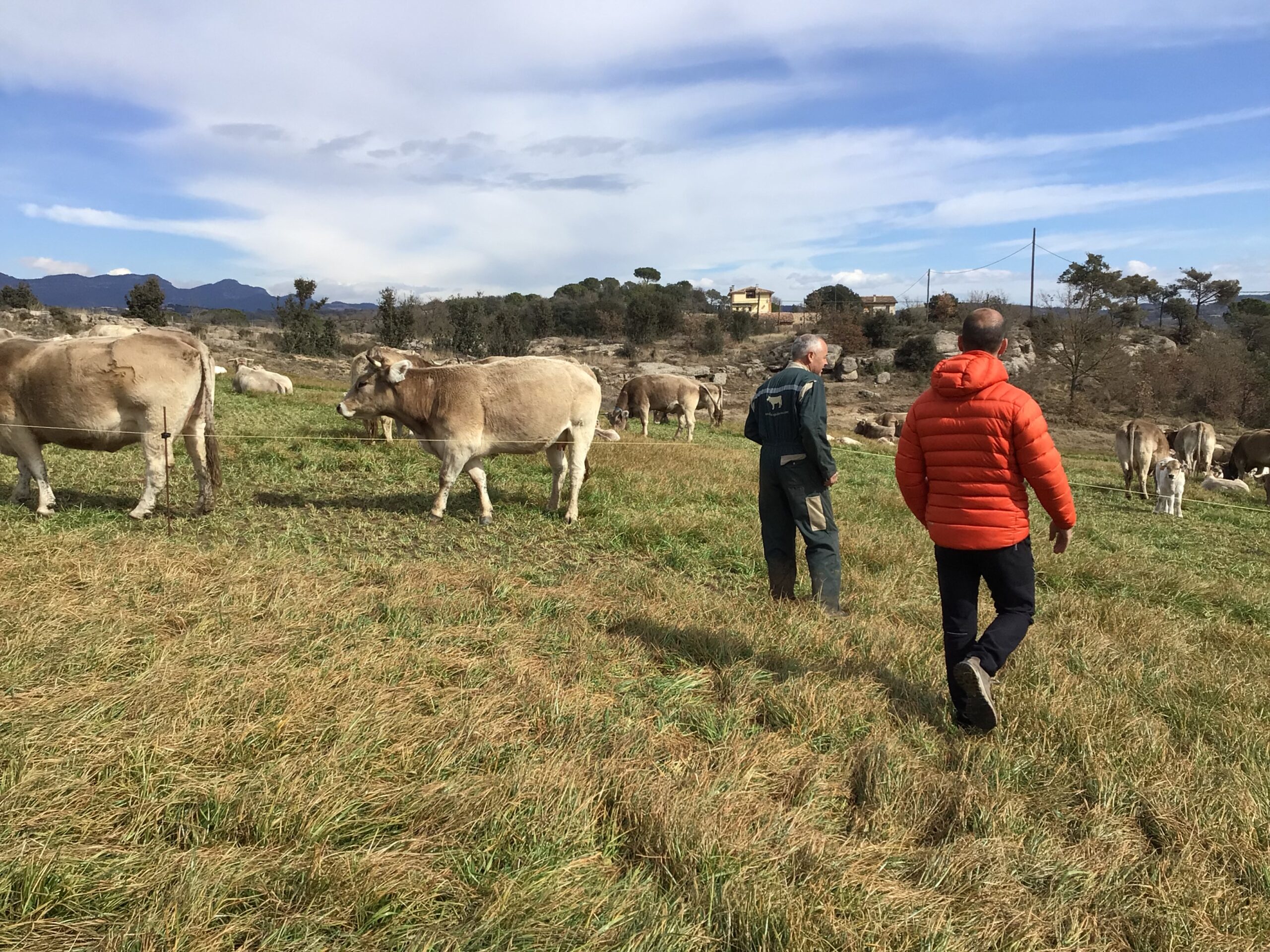
We help our clients build win-win relationships with their agricultural partners by combining economic incentives with technical support. Through innovative contractual models (quality bonuses, incentives for best practices, performance-based clauses, etc.), we create the conditions for the practical and sustainable adoption of best practices.
This approach not only improves the resilience of farms but also meets the growing demands of markets and consumers for traceability and sustainability. We facilitate the collaborative development of customized action plans aligned with the economic and technical realities of each stakeholder. By combining economic security (stable prices, risk sharing) with tailored support, we turn commitments into tangible results, while strengthening the competitiveness of the entire sector.
Training for Operational Teams
Training for Operational Teams
We design customized training programs for operational teams, covering ( soil management, crop protection, livestock farming, etc.) and economic issues (production costs, market access, risk management, etc.)
Our training programs include and to measure the impact of newly acquired skills. The goal is to teams’, improve productivity and the quality of output, while aligning practices with market demands and the company’s sustainability goals. By combining technical expertise with tailored teaching methods, we strengthen teams’ ability to tackle the challenges of sustainable agriculture; and by investing in skills, our clients ensure their performance and prepare for the future of their industry,