
Our Support for Optimizing Agricultural Production Activities
- Assessment of production practices: an audit of your farming methods, input use, and profitability to provide an informed overview and immediate recommendations for optimizing your farm.
- Strategies for Returning to Profitability: Identifying solutions tailored to your specific situation—through optimizing inputs, diversifying crops, or improving resource management—to help your farm return to profitability.
- Farmer Training: Development and delivery of customized training modules to strengthen best agricultural practices and financial management, with the aim of ensuring that the knowledge gained is put into practice in the field.

Evaluation of Production Practices
Our project evaluations are based on an , combining technical, economic, and environmental analysis. We examine every stage of the supply chain—sourcing, processing, and resource management—to identify .
In each of our projects, we systematically incorporate social and environmental considerations to align performance with sustainability. The results are summarized in a priority areas for improvement and tailored optimization scenarios.
Our approach, which is both rigorous and pragmatic, aims to provide , taking local constraints into account. The goal: to ensure production safety, optimize profits, and improve competitiveness, while laying the groundwork for sustainable growth.
Drivers of a Return to Profitability
To restore profitability, we focus on identifying performance drivers and creating added value. We analyze cost drivers (raw materials, energy, labor) and formulate structural and actionable recommendations (producer training, market diversification, equipment modernization, etc.).
We also help , improve operational efficiency, and target more profitable value chains with market opportunities at the local, subregional, or export levels. Our methodology incorporates a to prioritize actions based on their return on investment. The goal is to restore economic flexibility to these sectors while strengthening their resilience to unforeseen events.
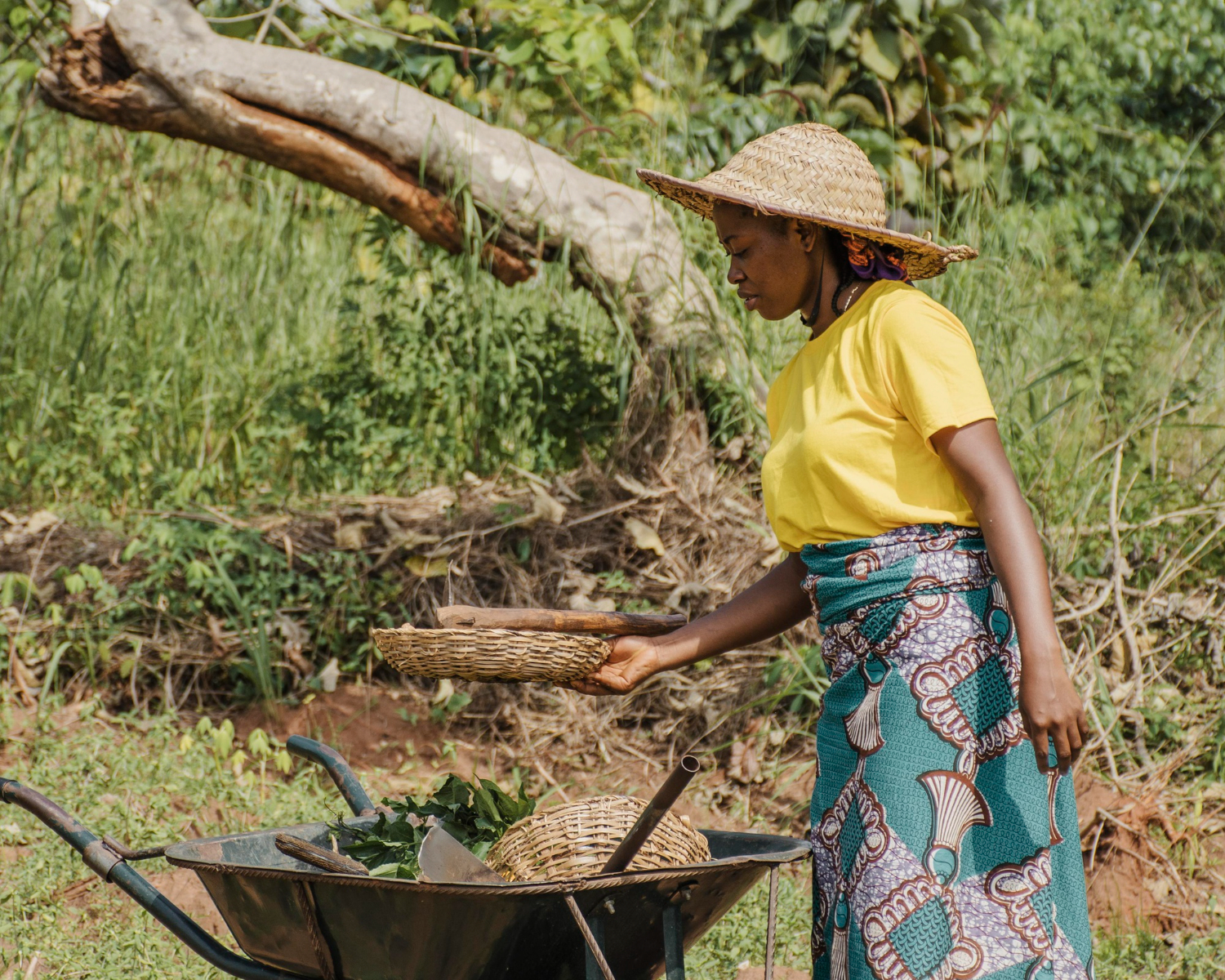
Training for Producers
Providing training to producers is a key strategy for facilitating the adoption of best practices and building a robust structure, whether at the farm level or across an entire supply chain. Our programs cover technical best practices (agronomy, livestock production, processing), economic management, and environmental issues.
We prioritize an that combines theory, visits to model farms, and the sharing of experiences among producers. The goal is participants’, promote their autonomy, and ensure that improvements are sustained over the long term.
Diversity of the sectors supported
The fields of study recommended by our experts may include:
- Of animal origin: milk, meat, leather, silk, beekeeping, etc.
- Plant-based: field crops (wheat, corn, rice, sorghum, legumes, etc.), arboriculture, exotic crops (aromatic plants, dates, mangoes, avocados), etc.