

A strategic roadmap to accelerate the development of microalgae in Europe.

USE CASES
Making microalgae a driver of innovation and sustainability for the food systems of tomorrow.
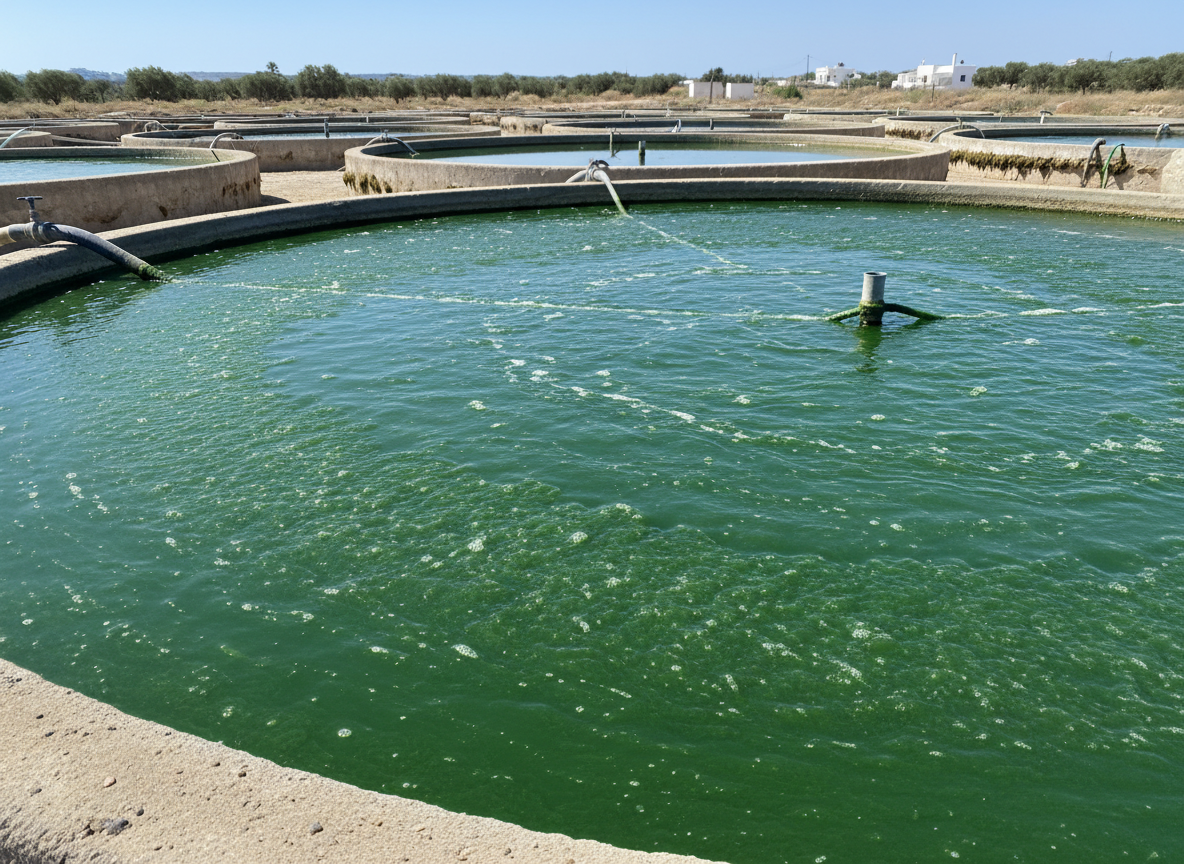
Microalgae represent an innovative and sustainable source of protein that can be incorporated into human food and animal feed. Their development in Europe is a strategic driver for diversifying protein sources and enhancing the sustainability of food systems.
Mission Objective
The goal wasto assess the potential of microalgae as an innovative and sustainable ingredient for future food supplies, taking into account both the food and feed markets.
Our Approach
As part of a European consortium, we have:
- Mapped the European microalgae industry, identifying key players and production areas;
- Assessed the sector’s competitiveness relative to Asia and the United States;
- Proposed strategic recommendations to support the growth of the European market and enhance its sustainability.
Toward a Sustainable Food System for the Future
This study lays the groundwork for the development of a competitive, sustainable European microalgae industry capable of meeting future nutritional needs while minimizing environmental impact.